

Shop by Goal
Shop by Category
Shop by Ingredient
Here's 10$ off from your friend
Discount code copied!
* This offer expires in 3 days
Home/Blog/Best Foods for Gut Health (and Worst Foods)
Best Foods for Gut Health (and Worst Foods)
By Rachel Link, RD, MS
March 27, 2026
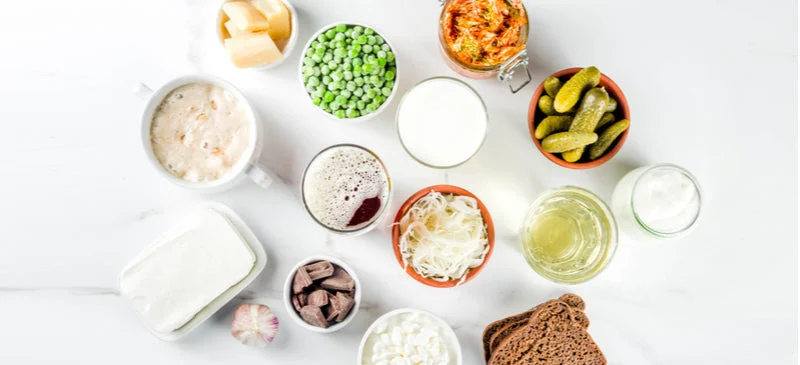
Your gut microbiome helps to support the overall health and wellness of your body, including by housing the majority of your immune system. One of the primary goals of following a gut health diet is to improve the ratio of “good guy” bacteria (also called probiotics) to the “bad guy” microbes living in your gastrointestinal tract.
How can you increase good bacteria in your gut naturally? By eating more of the best foods that foster the growth of friendly bacteria while supporting overall gut health.
Gut-friendly foods — such as vegetables, bone broth, grass-fed meats, probiotic foods and sprouted seeds — help to “feed” probiotics in the gut, supply essential nutrients that support a healthy gut lining, and support nutrient absorption and healthy elimination.
Want to boost your gut health? Let’s look closer at what a healthy gut diet plan entails, plus foods you’ll want to remove from your diet in order to support an overall healthy gut.
Best foods for gut health
What the best foods for gut health have in common is that they are typically which means the body usually easily recognizes and digests them. They’re also full of beneficial nutrients, enzymes and phytochemical compounds that help to build and support the health of the gut lining, which is essential for healthy digestion and overall healthy immune system function.
The right kinds of foods can also aid in reducing bloating. They also belong in a balanced diet exhibiting food synergy, such as including a variety of whole foods in order to maximize their health benefits.
Here are some of the best foods to include in a gut healthy diet (and that belong on a gut health grocery list):
1. Probiotic foods (and drinks)
Probiotic foods are fermented (or cultured) foods that are superfoods for gut health because they naturally introduce a diverse amount of healthy bacteria into your gut.
While taking a daily probiotic supplement is a convenient way to boost your intake of beneficial bacteria, probiotic foods also have a place in a healthy diet since they are a natural source of microbes, vitamins, minerals and enzymes.
Probiotic foods may also contain a wider variety of bacterial strains compared to many supplements, such as kefir that contains dozens of different types. You can even make your own fermented foods and learn to pickle vegetables.
Best examples of probiotic foods and drinks:
Sauerkraut and kimchi (select refrigerated, unpasteurized versions)
Kefir (fermented milk drink, including goat milk–based)
Tempeh and miso (fermented soybean products)
Kombucha (fermented, bubbly tea)
Fermented dairy like yogurt (with live and active cultures) and cultured buttermilk
2. Prebiotic foods
Prebiotics are compounds that are not digested by the body, but instead are metabolized and used as fuel by beneficial bacteria in the microbiome. They can help to support the overall health of the body by fostering growth of probiotics. And since they are a source of fiber, they’re generally also helpful for supporting healthy bowel transit time by reducing occasional constipation and diarrhea.
Find it challenging to get both probiotic and prebiotic foods into your diet? Consider a probiotic supplement that contains both.
Some of the best sources of prebiotics include:
Allium vegetables like garlic, onions, leeks, shallots and scallions — enjoy raw for the maximum prebiotic effect
Roots and tubers like chicory root, Jerusalem artichoke, dandelion greens and jicama — again, have raw or steamed at most
Fruits like underripe bananas, apples and berries
Grains like oats, barley and whole wheat products
Legumes and seeds like beans, lentils, chickpeas and flaxseeds
3. Bone broth
Bone broth is a traditional type of stock that is made by slow-simmering animal bones in water, sometimes along with chicken feet, joint tissue, cartilage, vegetables and herbs.
Collagen is a type of protein that’s found in real bone broth; it’s made up of amino acids including proline, arginine and glycine that help to generally support healthy connective tissues throughout the body, including those in the gut.
Example of bone broths:
Make your own bone broth, which can be made from chicken or beef bones (and cartilage)
Use Ancient Nutrition's Bone Broth Protein powder that naturally contain compounds including glucosamine, chondroitin sulfate and hyaluronic acid (which support overall healthy cartilage and joint health), plus contains more protein than broth
4. High-fiber foods
Fiber, or “roughage,” is a plant nutrient that is essential to our health, including regulating our normal bowel functions and maintaining overall healthy cholesterol and triglyceride levels. Paired with adequate fluid intake, fiber helps move food through our digestive tract in a timely fashion.
For example, vegetables are full of antioxidants, fiber and other nutrients that can help fight against free radicals and boost digestive health, and help to keep connective tissues in the gut in good shape. Like vegetables, certain fruits can provide you with antioxidants, vitamin C and vitamin A, fiber and other beneficial nutrients.
There are two types of fiber: soluble and insoluble fiber. Soluble fiber dissolves in water to form a thick gel-like substance while insoluble fiber doesn’t dissolve in water and adds bulk to the stool as it passes through the digestive tract.
Here are some of the high-fiber foods to consume:
Vegetables like broccoli, Brussels sprouts, carrots, artichokes (very high) and sweet potatoes (with skin)
Fruits like raspberries (very high), pears (with skin), apples (with skin), bananas, oranges and avocados
Whole grains like oats, quinoa, brown rice and whole wheat bread
Legumes like lentils (very high), black beans, chickpeas and kidney beans
Nuts and seeds like chia seeds (very high), flaxseeds, almonds and pistachios
If you find it difficult to get enough fiber into your daily diet, you may want to consider a fiber supplement like Ancient Nutrition's Organic Fiber
5. Healthy fats
Healthy fats play an important role in supporting gut health, not by directly “feeding” gut bacteria like fiber does, but by helping maintain the structure, function and environment of the digestive system.
Healthy fats are a key component of cell membranes, including those that make up the intestinal lining. They also help support normal inflammatory balance in the body.
Meanwhile, diets rich in whole, unprocessed fats are often associated with better microbial diversity. Healthy fats help the body absorb fat-soluble vitamins like A, D, E, and K, many of which play roles in immune function and gut lining health.
Lastly, fats can help lubricate the digestive tract and support normal bowel movements, which may contribute to overall digestive comfort.
Examples of healthy fats are:
Avocado and avocado oil
Olive oil, coconut oil and MCT oil
Butter and ghee
Fatty fish like wild-caught salmon
Nuts and seeds
Tofu
6. High-quality proteins
Wild-caught fish, cage-free eggs and grass-fed/pasture-raised meat are some of the best sources of amino acids that support a healthy gut lining and fuel many other bodily processes.
Some of these protein foods, such as salmon and beef, also provide omega-3 fatty acids that support an overall healthy cardiovascular system and more.
In addition to providing you with protein, these foods are high in healthy fats, and essential nutrients like zinc, selenium and B vitamins which generally support a healthy immune system, healthy energy levels and metabolic health.
Recommended proteins for gut health include:
Bone broth and collagen protein are rich in amino acids like glycine, proline, and glutamine that help support the structure of the gut lining and connective tissues
Eggs are generally easy to digest for most people and offer overall gut support
Fatty fish like salmon and sardines provide protein plus omega-3 fatty acids that support inflammatory balance and gut health
Lean poultry like chicken and turkey are easily digestible sources of protein that provide amino acids needed for tissue repair
Plant-based proteins like legumes and lentils provide protein plus fiber, which feeds beneficial gut bacteria
7. Sprouted nuts and seeds
Nuts and seeds are a great source of healthy fats, fiber, protein and trace minerals for vegans, flexitarians, Paleo dieters and just about everyone else.
Soaking and sprouting nuts and seeds helps to make their nutrients more bioavailable, and often leads to them being easier to digest overall. It's why chia seed pudding is so friendly to the gut.
Examples of nuts and seeds for the gut:
Nuts like almonds and walnuts
Seeds like pumpkin, flax, chia and hemp seeds
8. Sprouted whole grains
Certain whole grains, such as oats, contain beta glucan, a type of fiber that generally helps feed healthy gut microbes and that can contribute to other health perks, too, such as supporting healthy cardiovascular function.
For the most gut-related benefits, gluten-free grains may be best for most people, since gluten (a protein in wheat, barley and rye) can sometimes be difficult to break down.
Examples of sprouted whole grains:
Grains with beta glucan like oats and barley
Gluten-free grains such as quinoa, buckwheat and rice
Bonus: Herbs, spices and teas
While not foods, herbs and spices have many digestive benefits to offer, such as stimulating normal saliva and bile production, and soothing the stomach. They also support an overall healthy immune system and can be enjoyed fresh, dried or in herbal tea/infusions.
Meanwhile, tea can support gut health by promoting beneficial bacteria, aiding digestion and providing antioxidants.
Examples of helpful herbs, spices and teas:
Antioxidant-rich spices such as turmeric, ginger, basil, oregano and thyme
Green tea, plus ginger, chamomile and peppermint teas
Worst foods for gut health
Now that you know which gut-friendly foods to emphasize in your diet, let’s talk about those that should be avoided.
To help support healthy gut flora, limit or avoid the following worst foods for gut health:
1. Foods with added sugar
Sugar is found in the majority of packaged snacks, condiments, cereals, etc., not to mention desserts and sugary drinks. Consuming added sugar regularly can contribute to an imbalance of yeast and microbes in the gut.
2. Trans fats/hydrogenated fats
These man-made fats are added to many packaged/processed foods, fast food and fried foods. Not only can they be hard to digest, but they’re now known to negatively impact overall weight and metabolism.
3. Refined vegetable oils (like canola, corn and soybean oils)
Processed vegetable oils are high in omega-6 fatty acids, which most people eating a “Western diet” are thought to already get enough of.
Another issue is that when they are cooked with, their chemical composition changes in a negative way. You’ll mostly find these oils in processed foods, which means eating whole foods automatically makes them much less prevalent in your diet.
4. Pasteurized dairy products
Dairy can be a common allergen, so if you suspect you don’t tolerate it well, try eliminating it from your diet for a while or sticking to raw, organic dairy which may be better tolerated.
5. Refined grain products
Processed foods made with flour and grains, such as cereals, breads, pasta, rolls, cookies, etc. are mostly considered “empty calories,” since they provide little in terms of nutrients but are often high in calories and sugar.
Most of these foods also contain gluten, a protein that can negatively impact some sensitive people.
6. Conventional meat, poultry and eggs
Factory-farm raised animals tend to be fed less healthy diets, which can negatively affect their overall health. Grass-fed, pasture-raised and wild-caught animal products may also supply you with higher levels of nutrients such as omega-3s and other healthy fats compared to their conventional counterparts.
Of course, you should always consult your healthcare professional prior to starting any new dietary or lifestyle regimen.
Related Articles
August 22, 2023
|health
Are Soil-Based Probiotics (SBOs) Better Than Regular Probiotics?
Are all probiotic supplements the same? No! Certain types of probiotic supplements stand out when it comes to their quality, resilience and their potential health benefits.
March 26, 2026
|health
Healthy Aging: 12 Ways to Help Boost Your Health and Lifespan
It’s a truism: Regardless of your age, you’re getting older. While “age is just a number,” it’s one that goes in one direction — and it can be felt in the joints, reflected in the face (hello crow’s feet) and even experienced by less energy.
July 17, 2026
|health
15 Most Nutrient-Dense Foods on the Planet
It's logical. If you want to maximize your nutrition and support overall health, you should eat a nutrient-dense diet. Nutrient density refers to how many vitamins, minerals, fiber and other beneficial nutrients a food provides relative to its calories.
July 23, 2026
|recipes
Banana Ice Cream (Nice Cream) & 6 Variations
When the heat of summer hits many of us think about frozen treats and, in particular, ice cream. But if we’re looking for something nondairy, without added sugar and with more nutrients, it’s perhaps time to try banana ice cream, aka nice cream.




- © 2010-26 Ancient Brands, LLC. All rights reserved.
- Terms of Use
- Privacy Policy
- CPRA Privacy Policy/Notice of Collection
- Do Not Sell or Share My Personal Information
- Consumer Health Data Privacy Policy