

Shop by Goal
Shop by Category
Shop by Ingredient
Here's 10$ off from your friend
Discount code copied!
* This offer expires in 3 days
Home/Blog/How Much Protein Do You Need Per Day?
How Much Protein Do You Need Per Day?
By Rachel Link, RD, MS
March 23, 2026
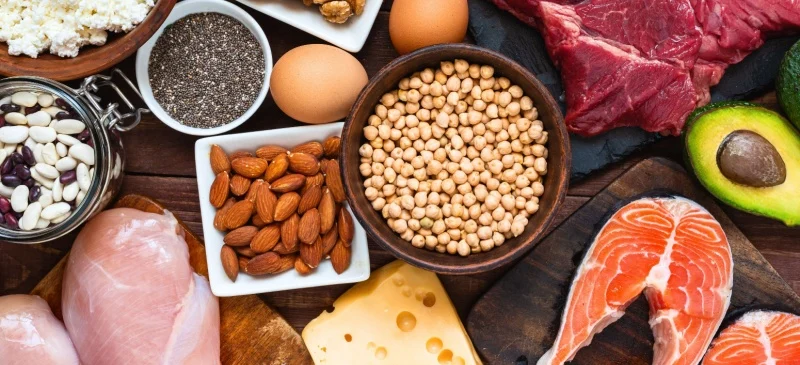
For people looking to improve their body composition and potentially manage a healthy weight, one of the most common questions they have is, “How much protein do I need a day?” Of course, that varies from person to person, and you should always consult your healthcare professional prior to starting any new dietary or lifestyle regimen.
Protein is one of three essential macronutrients. Protein foods provide us with amino acids, the building blocks of protein, that is essential for dozens of bodily functions.
How much protein you need per day depends on factors like your body size and level of activity. Below we’ll look at protein needs based on goals including weight management, muscle building and maintenance of general health into older age.
Why is protein important?
You might associate protein mostly with building lean muscle tissue, including helping the muscles recover from exercise. In fact, it even assists in the preservation of lean mass during weight loss, in addition to a healthy reduced-calorie diet and lifestyle, including regular exercise. (Whey protein is particularly helpful in this regard.)
Protein plays many other essential roles, too. For example, a lot of your organs, cells and tissues require protein for proper functioning.
It increases thermogenesis (energy expenditure from digesting foods that supports a healthy metabolism) plus takes longer for your body to break down than carbohydrate, so it's a long-lasting energy source.
This macronutrient helps in the overall health of the body, so if you're very active or work out a lot, you typically need more protein intake during those times. Learning how to count macros can be important if you want to reach your protein goals.
It's also very important for women to maintain bone health as they age, and bones are made up of around 50 percent protein. Protein also increases IGF-1 (insulin-like growth factor 1), the hormone that helps form bone. (See the best foods for bone health.)
Your daily protein needs
To determine how many grams of protein per day you need, let’s break things down into these categories:
The mininum of protein needs to generally support overall health
How protein intake changes based on whether you're a woman or a man
How much protein you need to help manage a healthy weight and/or burn fat
What amount of daily protein you need to build muscle
The recommended amount protein after a workout
Note that since everyone is different, you should always consult your healthcare professional about what amount of protein intake may be right for you.
Minimum protein needs for general health for women and men
The Recommended Dietary Allowance (RDA) for protein is set at a relatively modest 0.36 grams of protein per pound of body weight, or 0.8 grams of protein per kilogram, per day. The RDA for an adult woman is 46 grams of protein per day. For an adult man, the RDA is 56 grams of protein per day.
However, be aware that this recommendation is the minimum to prevent a protein shortfall and was formulated a long time ago. For many, such a low RDA would only account for around 10 percent of your daily calories. It may prove inadequate for proper protein synthesis, satiety, exercise support, muscle gain, weight management and even glycemic control.
Protein needs for losing weight or managing a healthy weight
If you’re working towards losing weight or managing a healthy weight, it can be a good idea to focus on having more protein, as protein has been shown to be both satiating and to help with appetite control.
To lose weight effectively while preserving muscle, it's generally recommended to consume about 0.7 to 1 gram of protein per pound (or 1.5 to 2.2 grams of protein per kilogram) of body weight each day.
In this case, if you weigh 150 pounds, then you’ll want to then consume between 105 and 150 grams of protein a day if you’re trying to help manage a healthy weight and/or lose body fat.
Remember, your body doesn't store protein, so it's important to get protein throughout the day rather than one big protein meal. In other words, if you have three meals and one snack per day, aim to get 26 to 37 grams of protein per meal.
Protein needs for muscle building
If you're active, how much protein do you need per day to help build muscle?
For women who want to gain muscle, try to consume 0.7 to 1 grams of protein per pound (or 1.5 to 2.2 grams of protein per kilogram) of body weight per day.
For men who wish to put on muscle, try to take in around 1 gram of protein per pound (or 2.2 grams of protein per kilogram) of body weight per day.
Note that, in general, lean high-protein foods are the best muscle-building foods.
How much protein before and after a workout
This question has bedeviled researchers for decades, as the recommended amounts often vary depending on the expert and the science. A 2017 study did examine pre- and post-exercise protein intake for exercisers, and it found similar effects on muscular adaptations for both groups.
This finding went against the standard contention that one has a narrow post-exercise "anabolic window" to maximize the muscular response. Instead, the window for post-exercise protein may be as long as several hours, partly dependent on when the pre-workout was consumed.
Therefore, the recommendation is simply that as long as you consume protein either within hours before or after your workout, the benefits for muscle strength and size are roughly the same. Of course, it's not advisable to consume too much protein within an hour before a workout because of the digestive process. An hour or two before is a better suggestion.
And how much protein before or after a workout? And what about carbohydrates? In general, 15 to 20 grams of protein (and 25 to 30 grams of carbs) is suggested by most experts. This provides enough protein for muscle repair while the carbohydrate load will provide glycogen for energy output.
How to calculate
How to calculate how much protein you need? Follow these steps:
First determine your weight.
For a generally healthy protein intake, simply divide your weight in half. Eat that amount in grams of protein per day.
If you’re working on losing weight or managing a healthy weight, multiply your weight by 0.7 up to 1. Eat that amount in grams of protein per day.
For gaining muscle, women should multiply their weight by 0.7 to 1 while men should multiply by 1. Eat that total amount of protein grams per day, divided into three to five meals.
Overall, aim to get between 20 and 40 percent of your daily calories from protein.
You might also see recommendations based on body weight in kilograms. To convert your body weight from pounds to kilograms, divide your weight in pounds by 2.2. For example, 140 pounds is 64 kg.
Best protein foods
High-protein foods are one of the answers to the question what to eat after a workout? Some of the best sources of protein include these healthy foods:
Grass-fed beef and beef liver
Free-range chicken and turkey
Free-range eggs
Wild-caught fish, such as salmon and tuna
Yogurt, kefir and cottage cheese
Organic (ideally raw) whole milk
For plant-based eaters, beans, legumes, nuts, seeds and whole grains (such as chickpeas, almonds, hemp seeds, flax and chia seeds, black beans, quinoa, oats and organic tempeh)
While getting enough protein is important, remember that variety and overall balance is key. Try to ideally have a protein source with each meal along with some vegetables, fiber-rich foods and healthy fats, such as nuts, seeds, olive oil, etc.
Best protein supplements
How to eat more protein? One of the most convenient ways to increase your protein intake is to supplement with protein powder. There are now many types available, tailored to those who prefer animal-derived or plant-derived sources.
What are the best protein powders? Some popular types include whey, casein, collagen, bone broth, pea, seed-based, brown rice, egg and hemp.
Protein powders make for great post-workout supplements. While all of these can support goals such as building muscle mass and supporting a healthy weight, the best type for you depends on your preferences and how well you tolerate different ingredients.
1. Whey protein
Numerous studies indicate that whey protein benefits include helping promote gains in lean muscle mass, especially when paired with strength training. Whey also stimulates more muscle synthesis than casein or soy protein products. Impressively, studies show that whey protein can help individuals maintain muscle mass even when under calorie restriction plus promote healthy, strong muscles as one ages.
Ancient Nutrition’s Whey Protein combines high-quality whey protein, with added organic regenerative A2/A2 milk protein and clinically studied eggshell membrane collagen into one supplement. It supports muscle maintenance, strength building, digestive comfort and muscle recovery, making it an ideal choice for an active and balanced lifestyle.
Plus, with collagen, Whey Protein can help promote joint health and improve mobility (with the added benefits of improving skin appearance and hair health).
There's also Whey Protein + Fat Loss Blend, which features the same whey protein but without any added collagen. It includes a science-backed superfood Fat Loss Blend. This blend features clinically studied ashwagandha and cinnamon.
This unique combination simultaneously promotes fat loss, burns calories and increases your metabolism, making it an ideal choice for those aiming to achieve and maintain a lean body composition. It’s the perfect add-on to your diet and exercise routine.
Protein and other nutrients per serving: 23 grams of protein, 120 to 130 calories, 2 grams of fat, 2 to 3 grams of carbohydrates, 2 grams of sugar
2. Multi protein
A relative newcomer to the protein supplement category are multi proteins: essentially several sources of protein blended in one powder.
Ancient Nutrition's Multi Protein combines five powerful protein sources (grass-fed whey, bone broth, A2/A2 milk protein, collagen peptides and colostrum) into one powder. Unlike typical protein powders, it supports not just muscle health and recovery but also joint health, skin quality and gut function. It even helps reduce post-exercise fatigue.
The Multi Protein Animal-Based + Creatine supplement adds creatine as well in order to add cognitive support as well as muscle strength benefits.
Protein and other nutrients per serving: 26 grams of protein, 140 calories, 1.5 grams of fat, 3 grams of carbohydrates, 2 grams of sugar
3. Protein from bone broth
Ancient Nutrition's Bone Broth Protein powders are ideal for people looking to increase their intake of protein, collagen and beneficial cofactors (such as glucosamine, chondroitin and hyaluronic acid) that support healthy joints, a healthy gut and healthy skin.
Boasting 20 grams of protein per serving, it also features 19 amino acids. It's three times more potent than homemade broth and twice as potent compared to the leading bone broth brands (based on protein content), and five times more potent than leading brands on micronutrients and macronutrients.
Protein and other nutrients per serving: 20 grams of protein, 90 calories, 0 grams of fat, 0 grams of carbohydrates
4. Collagen protein
As the most abundant form of protein in the body, collagen is found in the muscles, skin, bones and blood vessels. However, collagen levels naturally begin to slowly decline as you get older, so using a collagen powder such as Ancient Nutrition’s Multi Collagen Protein is a smart way to keep your collagen intake up.
Benefits include support for skin, hair, nails, gut and joints. It also improves the appearance of crow's feet after 28 days, reduces knee stiffness in a week, plus promotes healthy hair thickness and growth while reducing hair breakage.
Meanwhile, Multi Collagen Advanced powder is a premium healthy weight management supplement packed with 10 types of collagen from 10 food-based sources, including four grass-fed organs as well as a unique, clinically studied blend of superfood ingredients like ashwagandha, red cave salt, curry leaf, Indian globe thistle and more.
Protein, calories and other nutrients per serving: 9 to 14 grams of protein (10 grams of collagen), 35 to 60 calories, 0 grams of fat, 0 grams of carbohydrates
5. Plant protein
Ancient Nutrition's Multi Protein Plant-Based represents the next generation of plant protein. Many plant proteins fall short on amino acids or the amount of protein per scoop, but this formula combines organic pea, chocho and sacha inchi to deliver a complete protein profile and supports muscle health and overall energy.
Protein and other nutrients per serving: 25 grams of protein, 145 calories, 3 grams of fat, 4 grams of carbohydrates, 2 grams of fiber
How much protein a day is too much?
What happens if you eat too much protein? People looking to manage weight or gain muscle may be prone to eating too much protein if they go a bit overboard and neglect other healthy foods.
Eating too much protein can potentially contribute to side effects such as indigestion, constipation, bad breath, and sometimes kidney-related issues such as kidney stones.
Conclusion
How much protein a day should adults eat? This really depends on your current body size, calorie needs and goals.
Assuming your diet is overall healthy, eating more protein may help you manage your weight or gain muscle; however, it’s important to strike a balance and also consume enough carbs/fiber and healthy fats based on your needs.
Some of the best protein sources include: meat, poultry, fish, yogurt, eggs, beans, nuts, and high-quality protein powders.
Related Articles
May 22, 2026
|health
Common Nutrient Shortfalls in Women
Not getting enough of a nutrient? Not a place anyone wants to be, but it’s also hard to know if you’re coming up short on nutrients. First, your diet has a huge impact. Then factors like age, level of activity, genetics, economic status, your social and cultural environment, and personal habits can all play a role.
June 5, 2026
|health
17 Ways to Boost Gut Health
In the past decade, the importance of gut health has taken center stage in the health and wellness space. For example, did you know that your gut houses between 70 percent and 80 percent of the cells that make up your immune system?
November 19, 2025
|health
11 Best Supplements for Healthy Aging
It may feel like every week you hear about a new supplement that you “should” be taking. But if you're interested in the best supplements for healthy aging and longevity, how do you differentiate between the best supplements that are actually worthy investments versus those that are mostly a waste?
February 12, 2025
|health
16 Energy Boosters: Drinks, Foods, Supplements and Habits
Do you occasionally wake up and still feel like you could use an energy boost? Do you sometimes experience an afternoon slump? Does a workout time come your way and you’re often just not “feeling it”?




- © 2010-26 Ancient Brands, LLC. All rights reserved.
- Terms of Use
- Privacy Policy
- CPRA Privacy Policy/Notice of Collection
- Do Not Sell or Share My Personal Information
- Consumer Health Data Privacy Policy