

Shop by Goal
Shop by Category
Shop by Ingredient
Here's 10$ off from your friend
Discount code copied!
* This offer expires in 3 days
Home/Blog/Normal Iron Levels for Women and Men, Including New Guidelines
Normal Iron Levels for Women and Men, Including New Guidelines
By Ethan Boldt
October 6, 2026
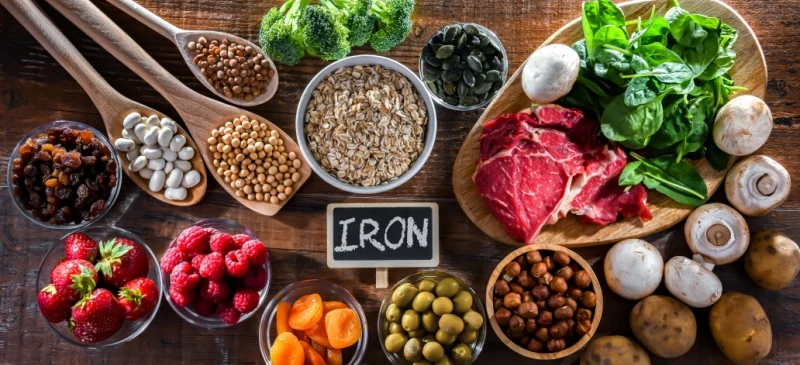
Iron is a mineral that’s critical for your blood health, as it helps oxygen move throughout the body via your hemoglobin (part of your red blood cells). Iron also assists your immune system function, helps maintain energy levels and can boost exercise performance.
For women, iron is especially important during menstruation, particularly those with heavy periods. Pregnant women also need iron in order to support baby development. For men, it’s also important for fertility.
That being said, according to the World Health Organization, it’s estimated that 30 percent or more of the world’s total population might need an iron boost. Premenopausal women, in particular, need to watch their iron levels, as demand for iron naturally increases during menstruation due to blood loss. A 2020 JAMA study showed that nearly 40 percent of teenage girls and young women had low levels of iron.
Now something is being done about that, with recent clinical guidelines (September 16, 2026) from the American Society of Hematology to establish a higher serum ferritin threshold of 30 ng/mL or lower to diagnose iron deficiency in menstruating or pregnant adults.
Let’s learn more about iron as a potential nutrient shortfall, how much iron women and men need, what normal iron levels look like, and then how to increase your iron levels through diet or dietary supplementation.
As always, you should consult your healthcare professional prior to beginning any new dietary or lifestyle regimen.
Is iron a common nutrient shortfall?
As shown above, coming up short on iron is fairly common worldwide, especially among women. According to the World Health Organization, an iron shortfall is common in industrialized and developing countries alike.
An iron shortfall among women is more common than men because of menstruation, pregnancy and uterine fibroids. Girls and women of menstruation age (roughly age 14 to 50) generally need more iron than boys and men of the same age. Men who are more iron deficient tend to be vegetarian, may donate blood more often and perhaps need more digestive support.
Signs you may not be getting enough iron? Less energy, pale skin, hair loss, headaches, brittle nails and shortness of breath.
In addition, low iron levels can point to iron-deficiency anemia, a condition that is more common among women than men. Anemia occurs when you don’t have enough iron in your body to produce a healthy amount of red blood cells, which means your body cannot carry enough oxygen throughout your body.
The best test for normal iron levels is when a healthcare professional uses a serum iron blood test.
How much iron do women need per day?
As you've seen, the amount of iron needed by women varies quite a bit depending on age and other factors.
For now, even with the new guidelines from the American Society of Hematology, the National Institutes of Health’s (NIH) Office of Dietary Supplements recommended dietary allowance (RDA) for iron is:
18 mg per day for women ages 19–50
27 mg per day for pregnant women
9 mg per day for breastfeeding women over age 18
8 mg per day for women ages 51 and older
On average, a woman needs 18 mg of iron a day to maintain normal iron levels. This amount is different for men because they tend to store more iron in their bodies than women.
However, as discussed above, the American Society of Hematology just put out new guidelines to standardize the diagnosis of an iron shortfall among women. They aim aim to catch iron deficiency earlier, ideally well before anemia develops. The new guidelines are as follows:
Standard female adults and menstruating individuals: 30 ng/mL or lower
Women in high-risk groups (heavy bleeding, pregnant with anemia): 50 ng/mL or lower
How much iron do men need per day?
Men tend to store more iron in their bodies than women, so men generally require less iron per day.
According to NIH’s Office of Dietary Supplements, the recommended dietary allowance (RDA) for iron is:
11 mg for teenage boys
8 mg for men ages 19 and older
Normal iron levels for women
There are several different ways to measure your iron levels:
Serum iron blood test: Measures how much iron you have circulating in the blood.
Hemoglobin: This is part of a Complete Blood Count (CBC), and it measures the amount of hemoglobin in the blood.
Hematocrit: Also part of a CBC, this represents the percentage of your blood volume made up by red blood cells.
Ferritin test: Ferritin is a protein that helps store iron in your body, and this test measures how much iron is stored in the body, primarily in the liver.
TIBC (Total Iron-Binding Capacity) test: This test measures how successfully iron attaches to transferrin and other proteins in the blood.
Transferrin saturation: This represents a calculation to determine the percentage of your transferrin that is saturated with iron.
Normal iron levels for women are as follows in these blood tests:
Total serum iron: 60 to 140 micrograms per deciliter of blood (mcg/dL)
Hemoglobin: 11.6 to 15 grams of hemoglobin per deciliter of blood (g/dL)
Hematocrit: 35.5 to 44.9 percent
Ferritin: 13 to 150 nanograms per milliliter (ng/mL)
TIBC: 250 to 450 mcg/dL
Transferrin saturation: 20 percent to 50 percent
Note that iron levels can vary over time based on your overall health.
Normal iron levels for men
Among these different blood tests, here’s what are considered normal iron levels for men:
Total serum iron: 75 to 150 mcg/dL
Hemoglobin: 13.2 to 16.6 g/dL
Hematocrit: 38.3 to 48.6 percent
Ferritin: 30 to 400 ng/mL
TIBC: 250 to 450 mcg/dL
Transferrin saturation: 20 percent to 50 percent
How to increase iron levels through diet or dietary supplementation
If you seek to raise your iron levels, the two most common natural ways are through food and supplementation. Often it can mean simply eating more iron-rich foods and then taking a multivitamin that includes iron, or perhaps even an iron supplement.
1. Eat more foods rich in iron
The best way to make sure you’re not lacking in this key nutrient is to eat adequate amounts of iron-rich foods.
Here are the top iron-rich foods:
One cup of cooked spinach contains 6.4 milligrams of iron (36% Daily Value)
Four ounces of beef liver contains 5.5 milligrams of iron (31% DV)
One ounce of 70–85 percent cacao dark chocolate contains 3.4 milligrams of iron (19% DV)
One half-cup of cooked lentils contains 3.3 milligrams of iron (18% DV)
One 3.75 ounce can of Atlantic sardines contains 2.7 milligrams of iron (15% DV)
One half-cup of canned black beans contains 2.3 milligrams of iron (13% DV)
One ounce of roasted pumpkin seeds contains 2.3 milligrams of iron (13% DV)
A 3.5 ounce of ground beef contains 2.1 milligrams of iron (12% DV)
2. Pair iron-rich foods with vitamin C foods
When you pair food rich in iron with foods high in vitamin C, you help your body’s ability to absorb iron, even from supplements.
Possible iron–vitamin C combination include:
Spinach and roasted pumpkin seeds with sweet red pepper in a salad
Ground beef cooked with Brussels sprouts
Dark chocolate with fruits high in vitamin C, like kiwi, orange or strawberries
Cooked lentils or black beans with green bell peppers
3. Take a multivitamin
Some multivitamins contain the Recommended Daily Allowance (RDA) of iron, but they typically are the ones geared towards premenopausal women. Check each label to make sure. Ancient Multivitamin Women's contains 18 mg (100% Daily Value or DV) as does Ancient Multivitamin Prenatal, while Ancient Multivitamin Women's 40+ contains only 6 mg (33% DV).
Men’s multivitamins tend to be lower in iron. Ancient Multivitamin Men's and Ancient Multivitamin Men’s 40+ contain just 3 mg (17% DV).
4. Consider an iron supplement
Lastly, an iron supplement can fill this increasingly common gap in the modern diet. Ancient Nutrients Iron is formulated with real food ingredients and optimized for absorption, as it includes organic, fermented vitamin C. It contains 18 mg (100% DV) of enzyme-activated iron.
This supplement supports more restful sleep, cardiovascular and blood health, cognitive health as well as healthy fertility and prenatal and postpartum health. It can also reduce fatigue.
Ideally, take an iron supplement separate from other single nutrient supplements, such as calcium or magnesium.
Related Articles
October 4, 2026
|health
Collagen Benefits for Women: Skin, Hair, Joints & Gut
Considering it’s the most abundant type of protein found in the body, collagen has plenty to offer women, especially those who are aging normally and want to support mobility, their appearance and general joint comfort.
July 12, 2026
|health
10 Best Foods to Build Lean Muscle
A lot of good things happen when you put on lean muscle. Your metabolism kicks up another notch, your bones get stronger, you’re stronger and have more endurance, and you even have better balance and coordination. You also get a more streamlined, taut physique.
September 29, 2026
|health
Benefits of Bone Broth + 30 Ways to Enjoy
Savory, soothing and chock-full of nutrients, bone broth has been consumed by humans since prehistoric times. Hunter-gatherers cooked animal bones, scraps of meat and vegetables in a big pot of water over a fire. It's been part of the Traditional Chinese Method for thousands of years. And now this ancient food is popular again.
September 26, 2026
|health
10 Daily Habits to Help Improve Digestion
You’ve heard it before: A healthy gut and digestive system is the foundation of overall health.




- © 2010-26 Ancient Brands, LLC. All rights reserved.
- Terms of Use
- Privacy Policy
- CPRA Privacy Policy/Notice of Collection
- Do Not Sell or Share My Personal Information
- Consumer Health Data Privacy Policy