

Shop by Goal
Shop by Category
Shop by Ingredient
Here's 10$ off from your friend
Discount code copied!
* This offer expires in 3 days
Home/Blog/Soluble vs. Insoluble Fiber: What's the Difference?
Soluble vs. Insoluble Fiber: What's the Difference?
By Joe Boland
August 10, 2026
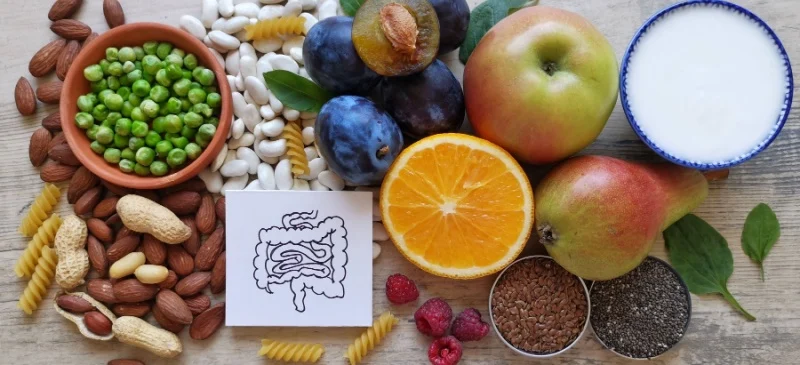
Fiber is an essential part of a healthy diet, but not all fibers are the same.
There are two main types of dietary fiber: soluble and insoluble. Both offer unique health benefits, but they work differently in your body.
In this article, we’ll explore the differences between soluble and insoluble fiber, their benefits, the foods that contain them, and how much you need each day.
As always, you should consult your healthcare professional prior to beginning any new dietary or lifestyle regimen.
Soluble vs. insoluble fiber
Soluble fiber dissolves in water, forming a gel-like substance in your digestive system. This type of fiber is known for its ability to slow digestion and help support already healthy blood sugar levels.
Meanwhile, insoluble fiber does not dissolve in water and remains intact as it moves through your digestive system. This type of fiber helps add bulk to your stool and speeds up the passage of food and waste through your gut.
Benefits of soluble vs. insoluble fiber
Soluble fiber has a range of health benefits:
Helps regulate already healthy blood sugar: Soluble fiber slows down the absorption of sugar, which can help maintain already healthy blood sugar levels.
Supports heart health: Studies show that soluble fiber can help promote cardiovascular health.
Aids in healthy weight management (in addition to a healthy diet and lifestyle, including regular exercise): By forming a gel-like substance, soluble fiber promotes feelings of fullness, which can help reduce overall calorie intake.
Promotes gut health: Soluble fiber acts as food for beneficial gut bacteria, supporting a healthy microbiome.
Insoluble fiber offers benefits particularly for digestive health:
Helps reduce occasional digestive discomfort: By adding bulk to the stool, insoluble fiber helps keep bowel movements regular, reducing occasional constipation, gas and bloating.
Supports digestive health: Insoluble fiber promotes overall gut health by aiding in the movement of waste through the intestines.
Soluble vs. insoluble fiber foods
Most fiber-rich plant foods contain a combination of soluble and insoluble fiber in varying amounts. Eating a variety of fruits, vegetables, legumes, whole grains, nuts, and seeds helps ensure you get the benefits of both.
Here are some plant foods that contain both:
Oats are rich in soluble fiber but also contain some insoluble fiber.
Apples provide soluble fiber (pectin) in the flesh and insoluble fiber in the skin.
Beans contain a mix of both types.
Flaxseeds and chia seeds offer both soluble and insoluble fiber.
Foods with mostly soluble fiber include barley, apples, citrus fruits, carrots, Brussels sprouts and sweet potatoes.
Foods rich in insoluble fiber include whole wheat, brown rice, nuts, cauliflower, green beans, zucchini, dark leafy greens and peppers.
Which is better: soluble fiber or insoluble fiber?
Both soluble and insoluble fiber play important roles in your health, and one isn’t necessarily better than the other. Instead, the best approach is to ensure you're getting enough of both types of fiber.
Soluble fiber is excellent for supporting cardiovascular health, while insoluble fiber supports healthy digestion and regularity.
A balanced diet that includes a variety of fruits, vegetables, whole grains and legumes will help you meet your fiber needs and reap the benefits of both types.
How much fiber should you have per day?
The recommended daily intake of fiber is 25–30 grams (or up to 38 grams), with a good balance between soluble and insoluble fiber. While there’s no strict guideline on how much of each you need, many health experts recommend aiming for about a 1:3 ratio of soluble to insoluble fiber.
This can be achieved by eating a variety of fiber-rich foods.
You can also take a fiber supplement to help meet your needs.
A great option is Ancient Nutrition’s Organic Fiber Powder. Made with acacia fiber (a prebiotic fiber) and konjac root (a soluble fiber) — along with probiotics and stevia — Organic Fiber promotes proper digestion and nutrient absorption, supports satiety, and reduces occasional constipation, gas and bloating. Simply mix one scoop with 10 ounces of liquid to help meet your fiber needs.
Conclusion
Soluble and insoluble fibers are both essential components of a healthy diet.
By understanding their differences, benefits and sources, you can make informed choices to improve your digestive health and support overall well-being.
Aim to incorporate a mix of fiber-rich foods and supplements daily to ensure you're getting the right balance of both soluble and insoluble fiber.
Related Articles
August 7, 2026
|health
Why Your Oral Microbiome Matters & How to Support It
The mouth is home to a complex community of bacteria, fungi, viruses and other microorganisms collectively known as the oral microbiome. Although bacteria are often viewed as harmful, many of the microbes in the mouth are beneficial and help maintain an environment that supports healthy teeth, gums and oral tissues.
August 9, 2026
|health
Optimize the Gut-Brain Connection for Mood, Mindset & Gut Health
Do you ever get “butterflies in your stomach” before something nerve-wracking? Do you ever deal with “gut-wrenching” experiences? Do you get a “gut feeling” about someone? Or do you sometimes “go with your gut” before making a big decision?
March 17, 2025
|health
10 Gut Health Supplements, Including for the Gut Lining and Colon
A healthy gut microbiome is one of the most important aspects of overall health, considering your gut houses the majority of your immune system, plays a role in healthy weight management, and helps facilitate a normal inflammatory response.
July 2, 2025
|health
Top 15 High-Protein Foods
High-protein foods are a crucial component of a balanced diet, as they provide essential amino acids (the “building blocks of protein”) that are necessary for various bodily functions. You need adequate protein for normal muscle repair, hormone production, healthy immune system support and much more. In general, lean high-protein foods are the best muscle-building foods.




- © 2010-26 Ancient Brands, LLC. All rights reserved.
- Terms of Use
- Privacy Policy
- CPRA Privacy Policy/Notice of Collection
- Do Not Sell or Share My Personal Information
- Consumer Health Data Privacy Policy