

Shop by Goal
Shop by Category
Shop by Ingredient
Here's 10$ off from your friend
Discount code copied!
* This offer expires in 3 days
Home/Blog/What to Eat Before a Workout: Optimal Pre-Exercise Nutrition
What to Eat Before a Workout: Optimal Pre-Exercise Nutrition
By Ethan Boldt
May 20, 2026
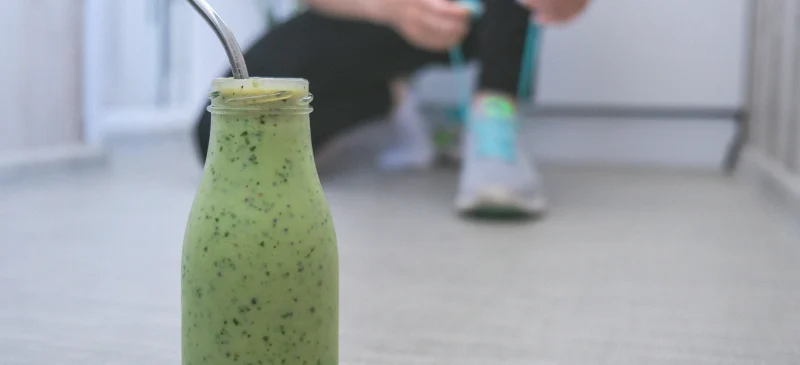
We often hear about what to eat after a workout, but less is said about what to eat before you exercise. Plus, there’s some confusion.
Should you always eat before a workout? If so, what’s the best timing? Should it be a meal or a snack — and should it be mostly carbohydrates or are protein and fat also important? What are the best pre-workout foods and supplements?
We’re about to answer all of these questions so you know how to fuel before your workout. After all, in order to have a great workout or performance (such as a game or competition), you can benefit from the right combination of foods and supplements to enjoy healthy energy levels and support your muscles.
In fact, mounting research has found that certain foods may actually enhance energy production, improve stamina and boost strength to help give your workout (or performance) a serious upgrade.
Here is what you need to know about pre-workout nutrition. As always, you should consult your healthcare professional prior to beginning any new dietary or lifestyle regimen.
Should you always eat before a workout?
Yes. Studies indicate that there is little difference in fat loss between working out in a fasted state (not eating for at least 10 hours before exercising) versus a fed one. While working out fasted may mean more fat loss during the workout, it apparently does not mean more fat burning overall. As a result, most nutritionists recommend that you always eat before a workout.
Of course, this also depends on the type of exercise you’re doing. For intense or long workouts, you will always want to have food on board. But if it’s a short workout, such as under 30 minutes, and not particularly rigorous, then eating beforehand isn’t as critical.
Overall, the benefits of eating before a workout are straightforward:
Boosts energy: Giving your body a fuel source can boost energy and endurance, and lower fatigue. The standard energy source for exercise are carbohydrates.
Enhances performance: When the body is adequately fueled, it can perform better in a workout or competition.
Improves endurance: Carbs stored as glycogen are your body’s primary fuel source, so eating before exercise can delay fatigue and improve stamina.
Assists recovery: Studies indicate that proper hydration and pairing carbs with protein before workouts can help improve both performance and recovery.
Preserves muscle: Eating protein (and carbs) before training helps reduce muscle breakdown, especially during intense or fasted workouts.
Helps regulate hunger later: Eating before a workout can prevent extreme hunger post-workout, reducing the chances of overeating later.
When to eat before a workout
It’s not just what to eat before a workout, but also when. For some people, eating not that long before a workout causes some stomach distress when exercising.
In general, follow these guidelines for when to eat before:
For complete meals (a good mix of complex carbs, healthy protein and fat), they should be finished at least two to three hours working out, particularly intense workouts.
Lighter pre-workout snacks can be had up to 30 minutes before most workouts.
In general, the closer you eat before your workout, the smaller as well as simpler that meal should be.
What to eat before a workout
1. Mixed macronutrient intake
The three macronutrients are carbohydrates, protein and fat. Each plays a role in pre-workout nutrition, but they are not necessarily equal.
Carbohydrates are the star of the pre-workout meal, as our muscles rely on the glucose from them to fuel us. Our liver and muscles turn glucose into glycogen, which is what literally powers our workouts.
For long workouts (such as over an hour), however, our glycogen stores can get tapped out. E.g. running a marathon. Carb-loading for a few days before a long competition is often advised in order to maximize our glycogen stores. It’s also when simple carbs during exercise can be used for quick energy.
Consuming protein before a workout is also a good idea, as studies indicate that it can help improve athletic performance and increase muscle synthesis.
Finally, fat doesn’t play much of a role in short and intense workouts, as that is mostly glycogen-dependent. Plus fats take longer to digest, so they aren’t ideal too close before a workout.
But for longer workouts of moderate-to-low intensity, fat becomes an important fuel source.
For most workouts, a high-carb, moderate-protein snack will do the trick an hour or so beforehand. Include a fruit-based protein smoothie (such as this peach smoothie) or a slice of wheat berry bread with some almond butter, for example.
Otherwise, a mixed macronutrient meal with 40 to 50 percent carbs and 20 to 30 percent protein as well as fat will usually work well two to three hours before training.
2. Energy drinks, including water
Water is paramount, as you want to be fully hydrated in order to exercise properly and even enhance performance. (Also good idea to consumer hydrating foods.) Whether or not you’re sweating a lot during your workout, it’s a good idea to continue to drink water when working out.
If you have an intense workout, you also may want to supplement water with a drink that helps replenish the electrolytes your body sweats out. Ancient Nutrition's Multi Collagen Advanced Hydrate contains two times the electrolytes (based on sodium and potassium levels) versus leading sports drinks, plus it improves exercise recovery by 56 percent. You can also make your own electrolyte drink.
Some caffeine can also help power one’s workout, as long as you don’t overdo it. Coffee and green tea are good options.
Collagen Matcha Energizer uses matcha green tea. Its combo of collagen protein and phytonutrients helps to support healthy energy levels and a reduction in fatigue.
Also, a diet coming up short on nutrients can cause low energy and fatigue. Organic SuperGreens is a great way to help increase your daily greens intake and support ongoing energy in a pre-workout drink.
3. Pre-workout supplements
“Pre workout” is now a major category of sports supplements. Pre-workout supplements can help keep you focused, boost energy, and improve performance and muscle building potential. Often powders are to be mixed with water, and they’re generally recommended to be consumed 30 to 45 minutes before a workout. Research doesn’t always support some of these pre-workout benefits, however.
The main ingredient in a pre workout is typically caffeine, and up to 300 milligrams per serving (which is around three cups of coffee). It’s a proven performance enhancer plus reduces feelings of tiredness and can even stimulate fat burning. However, anyone sensitive to the effects of caffeine should be aware of the amount consumed.
Otherwise, common ingredients include branched-chain amino acids (BCAAs), beta-alanine, creatine, carnitine, citrulline malate, electrolytes, taurine, vitamin B12, protein and more.
Consider Ancient Nutrition's Clean Energy, a clean preworkout drink powder and which offers 74 mg of clean caffeine per serving for a sustained mental and physical energy boost.
4. Try these pre-workout foods
Whether you’re looking to enhance endurance or athletic performance, these are some of the best foods to make part of your pre-workout meal as well as your weekly diet.
Beets: Beets and beetroot juice are both loaded with nitrates, which can help open blood vessels and improve the normal ability of the mitochondria to synthesize energy in the cells.
Cordyceps: This mushroom is effective at supporting healthy energy levels and assisting with normal muscle recovery.
Coconut oil: High in medium-chain triglycerides (MCTs), it’s easily broken down and used by the body for a quick burst of energy.
Berries: Rich in easily-digested glucose, berries are one of the best pre-workout foods available because they deliver a hearty dose of glucose to your cells to provide fuel for your muscles.
Chia seeds: With a perfect balance of healthy fats, proteins and carbohydrates, they’re one of the best foods for athletes. Check out this chocolate chia seed pudding, for example.
Spinach: Rich in dietary nitrates, this green vegetable kicks up energy levels by supporting healthy mitochondrial function in the cells.
Yes, eat after your workout, too
After your workout, you also want to make sure you get some quality nutrition, including certain post-workout supplements. Studies indicate that the "anabolic window" is actually up to four to six hours, but some experts recommend that that post-workout meal snack or meal occur within 45 minutes.
For proper recovery, consume a mix of healthy carbohydrates, protein and fat after exercise. Carbs will help replenish your glycogen stores, protein will help repair the muscle and the fat will satiate. It’s also a good idea to make sure you’re refueled with water and electrolytes.
Related Articles
May 19, 2026
|health
Your Guide to HIIT Workouts: Big Results in Less Time
If you’re interested in burning more calories in order to lose weight, then it’s time to try HIIT (High-Intensity Interval Training) if you haven’t already. HIIT is as powerful a tool to torch calories as anything else, but it also needs to be wielded carefully.
February 18, 2025
|health
30 Fat-Burning Foods that Also Make You Feel Full
The quest for a leaner physique often leads us down aisles overflowing with diet pills and magic potion promises. But what if the key to unlocking your inner fat-burning furnace lies not in a bottle, but on your plate?
July 2, 2025
|health
Top 15 High-Protein Foods
High-protein foods are a crucial component of a balanced diet, as they provide essential amino acids (the “building blocks of protein”) that are necessary for various bodily functions. You need adequate protein for normal muscle repair, hormone production, healthy immune system support and much more. In general, lean high-protein foods are the best muscle-building foods.
January 28, 2026
|health
Want to Lose Weight? 22 Best Supplements, Eating Strategies and Exercises
Weight loss. It's the most common health goal but also likely the most abandoned one, in part because of overly restrictive dietary regimens or sometimes life just getting in the way. (Check out the 18 reasons you are not losing weight.)




- © 2010-26 Ancient Brands, LLC. All rights reserved.
- Terms of Use
- Privacy Policy
- CPRA Privacy Policy/Notice of Collection
- Do Not Sell or Share My Personal Information
- Consumer Health Data Privacy Policy