

Shop by Goal
Shop by Category
Shop by Ingredient
Here's 10$ off from your friend
Discount code copied!
* This offer expires in 3 days
Home/Blog/Anti-Inflammatory Diet Recipes, Including Cooking Tips & Best Swaps
Anti-Inflammatory Diet Recipes, Including Cooking Tips & Best Swaps
By Ethan Boldt
August 20, 2026
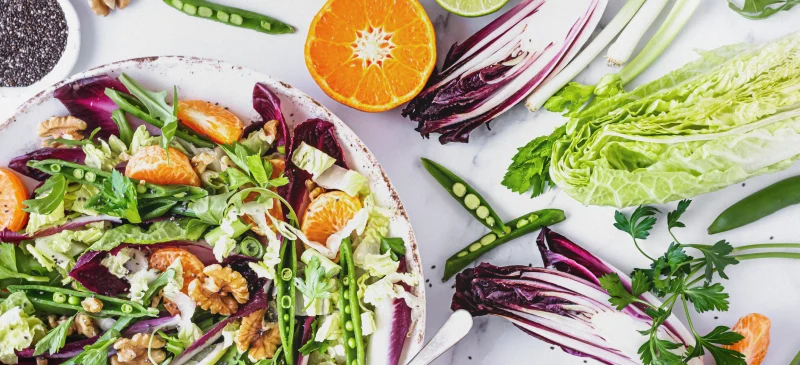
While some inflammation is necessary for a properly functioning body, too much (or “chronic”) inflammation is not good news for your health. It’s why most of us are searching for ways to lower inflammation, including eating the right foods and following certain lifestyle changes.
How does this extend to the kitchen? Below we discuss recipes to help lower inflammation, including following certain cooking tips as well as using certain ingredients and avoiding others.
Finally, a list of anti-inflammatory diet recipes is included, including suggestions for breakfast, lunch, snack time, dinner and dessert.
As always, you should consult your healthcare professional prior to starting any new dietary or lifestyle regimen.
Anti-inflammatory cooking tips
1. Make anti-inflammatory ingredients the focus of every meal
Vegetables, wild-caught fish, legumes, seeds and whole grains are examples of anti-inflammatory foods that should be in your weekly menu. In fact, an easy way to help lower inflammation is simply using more anti-inflammatory ingredients in your daily diet.
Anti-inflammatory breakfast options:
Use fruits like berries, citrus fruits, stone fruits, apples, grapes, etc.
Go with probiotic foods like yogurt and kefir
Anti-inflammatory lunch options:
Make up salads with green leafy vegetables like spinach and baby kale and dress with an extra virgin olive oil dressing
Serve fermented vegetables (like sauerkraut and kimchi) on the side, next to your sandwich (ideally on a wheat berry bread)
Anti-inflammatory dinner options:
Use allium vegetables like onions, garlic, leeks, shallots and chives as part of your dishes
Go with polyphenol-rich vegetables like kale, bok choy, Swiss chart, collard greens and cruciferous vegetables (broccoli, cauliflower, cabbage, Brussels sprouts, turnips, etc.)
For proteins, use more fatty fish like wild-caught salmon
Season these dishes with spices like turmeric, ginger, cayenne pepper, cinnamon, cumin and cardamom as well as herbs like oregano, parsley, cilantro, rosemary and basil
Use nightshades — contrary to what you may have heard, there’s no evidence that nightshades cause inflammation in most people — like tomatoes, eggplants, potatoes and peppers
2. Avoid inflammatory ingredients
Certain foods may contribute to a chronic, low-grade inflammatory response in some people, especially when consumed in excess or as part of an overall unhealthy diet.
What foods can cause the most inflammation issues? Here are some inflammatory ingredients to avoid or at least limit:
Added sugars and artificial sweeteners, as they can be hard to digest
Processed meats like bacon, sausage and hot dogs
Hydrogenated fats and some saturated fat, as well as high omega 6 oils, including corn, safflower, sunflower, soy and peanut oils
Refined carbohydrates/white flour products, including most pasta and breads
For some people, you may want to avoid gluten, which is found in wheat, barley and rye grains
For others, dairy products may be difficult for some to digest
3. Swap out inflammatory processed foods for healthier options
Let's face it, we eat a lot of these inflammatory foods because they're convenient. They're packaged and ready to eat. So let's discuss some inflammatory, processed food swaps that you make and that are also relatively easy to produce.
Healthy swaps for breakfast:
Swap out flavored yogurt for plain Greek yogurt and add organic berries
Swap out cereal for steel-cut oatmeal or overnight oats
Swap out commercial baked goods and make your own double chocolate donuts or banana nut muffins (both with collagen)
When cooking eggs, swap out margarine for butter
Swap out conventional coffee creamer for coconut milk or, if you can handle dairy, whole milk
Healthy swaps for lunch:
When making a sandwich, swap out white bread for a wheat berry bread like Ezekiel or Alvarado Street Bakery
Swap out processed deli meat for grilled chicken breast
Swap out chips for roasted chickpeas or homemade popcorn with avocado oil
Swap out French fries for baked potato or zucchini fries
Swap out pasta salad for quinoa bowl
Swap out macaroni salad or cole slaw for kimchi or sauerkraut
In salad dressings, swap out canola oil and other seed oils for olive oil or avocado oil
Healthy swaps for snacks:
Swap out French onion dip for guacamole
When making a chocolate chip cookie, swap out chocolate chips for cacao nibs or dark chocolate chips with 70 percent cacao
Swap out commercial protein bars for your own homemade protein bar
Healthy swaps for dinner:
Swap out fried fish filets for grilled fish or canned sardines
Swap out for hot dogs and sausages for grass-fed burgers or turkey burgers
Swap out conventional pizza for cauliflower crust pizza
Swap out processed sauces and excessive salt for the juice from lemons and limes as well as vinegar for marinades, dressings and sauces
Healthy swaps for dessert:
When making a low-sugar dessert, swap out artificial sweeteners for stevia (powdered or liquid) or monk fruit
Swap out store-bought cookies for cookies with real ingredients like strawberry oatmeal cookies
Swap out commercial chocolate candy bar for a homemade chocolate candy bar
Healthy swaps for beverages:
Swap out fruit juice for fruit-filled smoothie like a peach or cherry smoothie
Swap out soda drinks for sparkling water
Swap out sports drinks for Multi Collagen Advanced Hydrate or Rapid Hydration mixed with cold water
3. Use anti-inflammatory cooking techniques
For higher temperature cooking, use a fat like avocado oil. For lower temperature cooking, olive oil.
Avoid charring your meats (as that adds inflammatory compounds), deep frying (and using too much oil in general) and overcooking your recipes.
4. Reduce red meat consumption
Red meat, no matter how well it’s sourced, should be limited. Go with more fish (wild caught is best), chicken and plant-based proteins (like legumes, tofu and tempeh).
Anti-inflammatory diet recipes
1. Breakfast
Breakfast bowl: Vitamin- and mineral-wise, nearly all are represented in this breakfast bowl. Each serving includes over six times the Daily Value* (DV) of vitamin A and nearly twice the DV of vitamin K.
Green smoothie: This smoothie recipe only includes seven ingredients and delivers a delicious flavor and an outstanding nutritional profile.
Avocado toast: Avocado toast with egg is one very popular recipe, as it's loaded with healthy fats and is delicious on a slice of crunchy bread.
2. Lunch
Quinoa bowl: This quinoa bowl is loaded with plant-based protein and flavor, in part courtesy of a sublime miso tahini dressing.
Avocado salmon salad: Mix wild-caught canned salmon with creamy avocado and lemon juice, then serve on a bed of spinach with cherry tomatoes and sliced cucumber.
Chicken soup: This one is high in protein (42 grams of protein per serving) and loaded with nutrients, including over 20 percent DV of over 15 vitamins and minerals.
3. Snack
DIY trail mix with almonds, dried cranberries, walnuts and sesame seeds
Handful of wild blueberries mixed with Greek yogurt
4. Dinner
Grilled wild salmon with quinoa and broccoli
Chicken fajitas with grilled bell pepper, avocado, goat cheddar, fresh salsa and almond flour tortillas
Chili that’s high in protein and fiber; substitute ground turkey for beef
5. Dessert
Square of dark chocolate
Related Articles
August 18, 2026
|health
Fibermaxxing & Easy Ways to Add Fiber to Each Meal
Fibermaxxing is a social media-driven nutrition trend that encourages people to intentionally increase their fiber intake by eating more fiber-rich whole foods throughout the day. While “maxxing” certain nutrients isn’t always a good idea, getting more fiber in your diet usually is.
September 12, 2025
|health
9 Foods with Creatine to Boost Your Muscles
When most people think of creatine, they think of a muscle-building supplement used by bodybuilders and athletes the world over. While that’s certainly true, creatine also is a naturally occurring compound stored in your muscles and used for energy during high-intensity exercise, and there are actually foods with creatine in them as well.
September 11, 2025
|recipes
15 High-Protein Breakfast Ideas (or for Brunch)
Most of us love breakfast: smoothies, granola with yogurt, pancakes, donuts! But many of our breakfasts are missing or coming up short on one major macronutrient: protein.
August 22, 2025
|health
Gut Health Grocery List for Women Over 40
As one ages, maintaining a healthy gut can become both more challenging and more important. We need to have more beneficial bacteria and microbes in our guts than non-beneficial ones, as well as a healthy gut lining.




- © 2010-26 Ancient Brands, LLC. All rights reserved.
- Terms of Use
- Privacy Policy
- CPRA Privacy Policy/Notice of Collection
- Do Not Sell or Share My Personal Information
- Consumer Health Data Privacy Policy