

Shop by Goal
Shop by Category
Shop by Ingredient
Here's 10$ off from your friend
Discount code copied!
* This offer expires in 3 days
Home/Blog/Fibermaxxing & Easy Ways to Add Fiber to Each Meal
Fibermaxxing & Easy Ways to Add Fiber to Each Meal
By Ethan Boldt
August 18, 2026
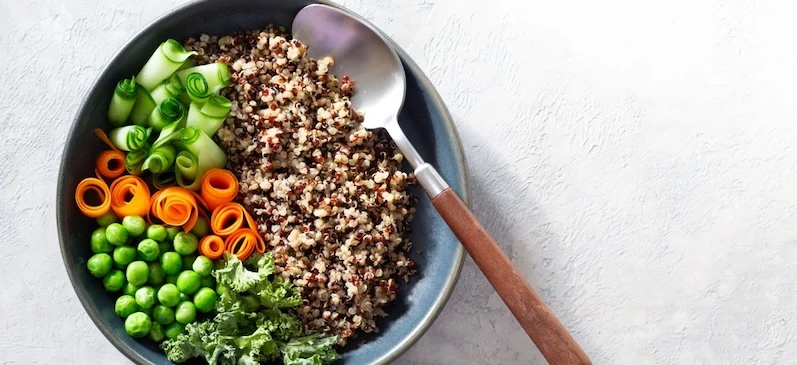
Fibermaxxing is a social media-driven nutrition trend that encourages people to intentionally increase their fiber intake by eating more fiber-rich whole foods throughout the day. While “maxxing” certain nutrients isn’t always a good idea, getting more fiber in your diet usually is.
This is because many of us fall short in the fiber department. In fact, an estimated 95 percent of American adults and children do not consume their recommended amounts of fiber.
Of course, the other reason is because of the profound benefits that more fiber offers, such as relieving occasional constipation and encouraging healthy weight management by creating satiety and reducing overall calorie absorption.
Learn more about fibermaxxing, plus some easy ways to get more fiber into your daily diet.
As always, you should consult your healthcare professional prior to beginning any new dietary or lifestyle regimen.
What is fibermaxxing?
Started on social media, fibermaxxing encourages more fiber consumption, largely through food, each day. The goal is to meet — and sometimes exceed — the recommended daily fiber intake to support digestive health, healthy blood sugar, heart health, satiety and more.
A pleasant switch from restrictive diet trends, fibermaxxing focuses on adding nutritious foods rather than eliminating them. While women should get the recommended 25 grams of fiber per day and men should aim for 38 grams per day, most Americans consume only about half that amount.
Just be aware that if you're increasing your fiber intake, do so gradually over several weeks. It’s also important to drink plenty of water. A sudden increase in fiber can lead to bloating, gas or abdominal discomfort, especially if your digestive system isn't used to it.
Benefits of fibermaxxing
Promotes digestive health and regular bowel movements — and reduces the likelihood of occasional constipation
Promotes the health of the colon and surrounding digestive areas
Helps to support the normal process of removing waste and toxins from the colon
Supports a healthy gut microbiome, with a balanced and diverse gut microbiota
Helps support normal, healthy blood sugar levels
Supports heart health by supporting healthy cholesterol and blood pressure levels
Encourages healthy weight management by creating satiety and reducing calorie absorption — also helps to reduce both hunger pangs and food cravings
Easy ways to add more fiber to each meal
1. Breakfast
Breakfasts are a great opportunity to get your higher fiber day off to a good start. Consider taking these steps:
Rather than eating a sugary, low-fiber cereal, make oatmeal or overnight oats. Oats are fiber-rich.
Use fiber-rich fruits like pears, apples and bananas in your oats or smoothies.
Add dried figs, prunes, apricots and dates to your oats.
Make avocado toast on a wheat berry bread like Ezekiel. Those are two high-fiber options.
Add flaxseeds, chia seed or wheat bran to your oats, including overnight oats so the chia seeds get time to absorb the liquid.
Add oat bran to your pancake batter.
2. Lunch
Lunch is often a quick meal, such as a sandwich and chips. But that doesn’t mean you need to skip on the fiber. Here’s some ideas:
Meal prep a salad with plenty of fiber, such as black beans, chickpeas, lentils, avocado, sunflower seeds, pumpkin seeds, etc.
Use whole-grain bread like Ezekiel or whole grain wraps for more fiber.
Having a grain bowl? Use quinoa, farro or brown rice instead of white rice.
Have a side of cut-up raw veggies with hummus.
Enjoy a lentil or black bean soup.
Instead of potato chips, go with varieties that use whole grains, beans or seeds (such as Trader Joe’s Quinoa and Black Bean Tortilla Chips).
3. Snack
The afternoon snack is usually something sweet and relatively fiber-free. Here’s how to change that up:
Eat fresh fruit with the skin on, such as an apple or pear.
Try roasted chickpeas or air-popped popcorn.
Enjoy a chia seed pudding.
Use whole-grain crackers with almond butter.
Have a handful of nuts with seeds and a few dried fruits.
4. Dinner
To finish your day strong, don’t forget to add some fiber-rich foods that can also help make sure you’re plenty satiated and won’t resort to snacking later in the evening. Here’s some tips:
Fill half your plate with vegetables.
Serve whole grains like barley, quinoa or brown rice instead of refined grains.
Enjoy bean or lentil dishes as your main (chili, tacos, etc.) or as a side dish (like lentil and quinoa pilaf, spiced chickpea mash or lentil curry).
Roast fiber-rich vegetables like Brussels sprouts, broccoli or sweet potatoes.
Add versatile spinach or kale into your pasta dishes, stir-fries or casseroles.
5. Have the occasional fiber booster
Some days, you accidentally miss out on those fiber opportunities. If that’s the case, never fear. Consider Ancient Nutrition’s Organic Fiber powder. Available in pineapple mango and raspberry lemonade flavors, it’s a gentle-acting, easy-to-mix fiber powder that features certified organic ingredients like acacia fiber and konjac root. It also contains a SBO probiotic strain called Bacillus coagulans for additional gut support and improved nutrient absorption.
Organic Fiber reduces occasional constipation, gas and bloating, in addition to occasional abdominal discomfort. It promotes proper digestion, a feeling of fullness (satiety) and intestinal well-being. It’s even easy to mix in water.
Conclusion
Small changes can add up quickly. By including a fiber-rich food or two at each meal and snack, you will hit your fiber goals. Importantly, you’ll also support your digestive health and gut microbiome while also helping you feel fuller.
Related Articles
August 16, 2026
|health
16 Easy-to-Digest Foods & 7 to Avoid
When you’re focusing on overall healthy digestion, eating certain foods and avoiding others can make a big difference in how well you digest what you consume. Some foods are easier to digest than others based on their ingredients and the amounts of different nutrients they contain.
August 14, 2026
|recipes
How to Make Protein Cold Foam
The added protein trend isn’t going anywhere, with the latest entry being “protein cold foam.” After all, increasingly more people understand that protein helps you build lean muscle, boosts your metabolism, keeps your full (aka less likely to overeat later) and supports healthy weight management.
August 12, 2026
|health
Pelvic Floor Exercises: How to Support Pelvic Floor Health for Women & Men
Pelvic floor exercises are often associated with kegels, pregnancy or postpartum recovery. But pelvic floor health is important for both women and men, and there’s much more to a healthy pelvic floor than simply making these muscles stronger.
August 10, 2026
|health
Soluble vs. Insoluble Fiber: What's the Difference?
Fiber is an essential part of a healthy diet, but not all fibers are the same.




- © 2010-26 Ancient Brands, LLC. All rights reserved.
- Terms of Use
- Privacy Policy
- CPRA Privacy Policy/Notice of Collection
- Do Not Sell or Share My Personal Information
- Consumer Health Data Privacy Policy